ONE DIABETES MED COULD BE A 'WONDER DRUG' FOR HEALTHY AGING
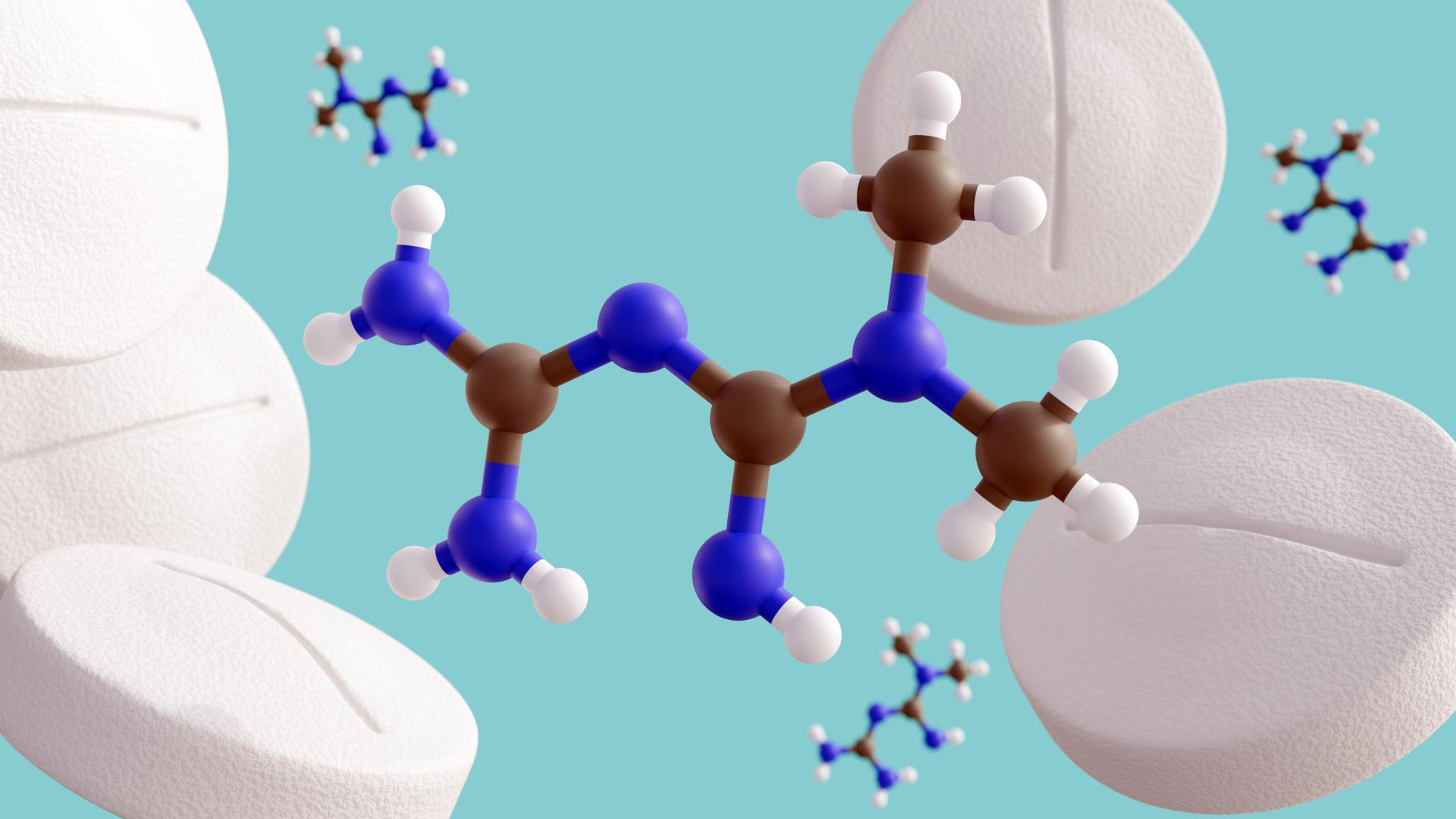
A drug prescribed for decades to treat Type 2 diabetes could have a much broader role in medicine, according to a new study.
In a study published in Aging, researchers found that metformin may influence several biological processes involved in aging, affecting mechanisms that include how cells use energy, inflammation, gene regulation and the bacteria living in the gut.
The researchers say the wide-ranging effects have made the inexpensive diabetes medication one of the leading candidates being investigated as a possible treatment to promote healthier aging.
What is Metformin?
Metformin is primarily used to lower blood sugar in people with Type 2 diabetes, but researchers have found that it also activates AMP-activated protein kinase, or AMPK, which acts as an energy sensor inside cells.
Activating AMPK can set off other changes associated with healthier cellular function, including suppressing mTOR, a pathway involved in cell growth and promoting autophagy—the process cells use to clear away damaged components.
The review also describes evidence that metformin could affect several of the so-called “hallmarks of aging”—biological changes that accumulate as people grow older.
These include mitochondrial dysfunction, chronic inflammation, changes in how genes are regulated and the buildup of damaged or aging cells.
The Findings
Some of the most striking findings have come from animal studies.
Metformin extended lifespan in worms and several mouse models. A 2024 study involving male cynomolgus monkeys also found decreases in markers of biological age across multiple tissues following long-term metformin treatment, and researchers reported particularly large changes in the brain.
There are intriguing findings in humans, too.
A 2022 observational study cited by the review found that people taking metformin had lower biological ages when assessed using two “epigenetic clocks,” which estimate biological aging from chemical modifications to DNA.
Metformin may also change the gut microbiome, encouraging bacteria that produce substances known as short-chain fatty acids.
These compounds have been associated with metabolic health, immune regulation and reduced inflammation.
What’s Next
However, the evidence does not mean healthy people should start taking metformin to slow aging.
Much of the research comes from animals, laboratory experiments or observational human studies, making it difficult to establish whether the drug actually extends healthy human lifespan.
Some findings have also been challenged or failed to produce benefits in clinical trials. One randomized trial involving frail and prefrail older adults with muscle loss found that metformin did not significantly improve physical performance.
The researchers said larger randomized trials in people without diabetes are still needed to determine who might benefit, what dose should be used and whether changes in biological-age markers translate into longer, healthier lives.
If those questions can be answered, they concluded, metformin, “could be the wonder drug that redefines the limits of healthy aging.”
Newsweek has reached out to the study authors for comment via email.
Related Articles
2026-09-03T02:18:22Z