4 SURPRISING FACTORS THAT COULD BE AGING YOU FASTER
Not spending much time with your friends? That could affect your health.
Reviewed by Dietitian Katey Davidson, M.Sc.FN, RD, CPTKey Points
- A new survey of experts suggests that social isolation is a lesser-known accelerator of aging.
- Good sleep, less stress and less exposure to environmental toxins also made the list.
- Experts agree that when it comes to aging well, the basics often beat the “biohacks.”
Many of us have watches that track our steps, rings that give us “sleep scores” and even unassuming wristbands that can show us our heart rates. Wearable technology and health optimization have become increasingly popular in the United States, particularly as we try to “optimize” our every move and search for small lifestyle changes that might help us live longer.
But as popular as these gadgets are, they’re probably not the best way to support your overall health as you age. In fact, in the U.S. News & World Report’s second annual healthy aging survey, 63 health professionals—including longevity experts, registered dietitians, doctors, scientists, fitness experts and pharmacists—agreed that when it comes to aging well, the basics often beat the “biohacks.”
Instead of focusing on optimizing our heart rates or daily step counts to help prevent disease, experts say it’s much simpler than that. They point to the less glamorous lifestyle habits we’ve heard time and time again, including regular physical activity, a balanced diet and restorative sleep. And while those tips may sound like old news, the survey also revealed some surprising areas that you may be overlooking when it comes to healthy aging. Let’s break down the four they focused on.
Social Isolation
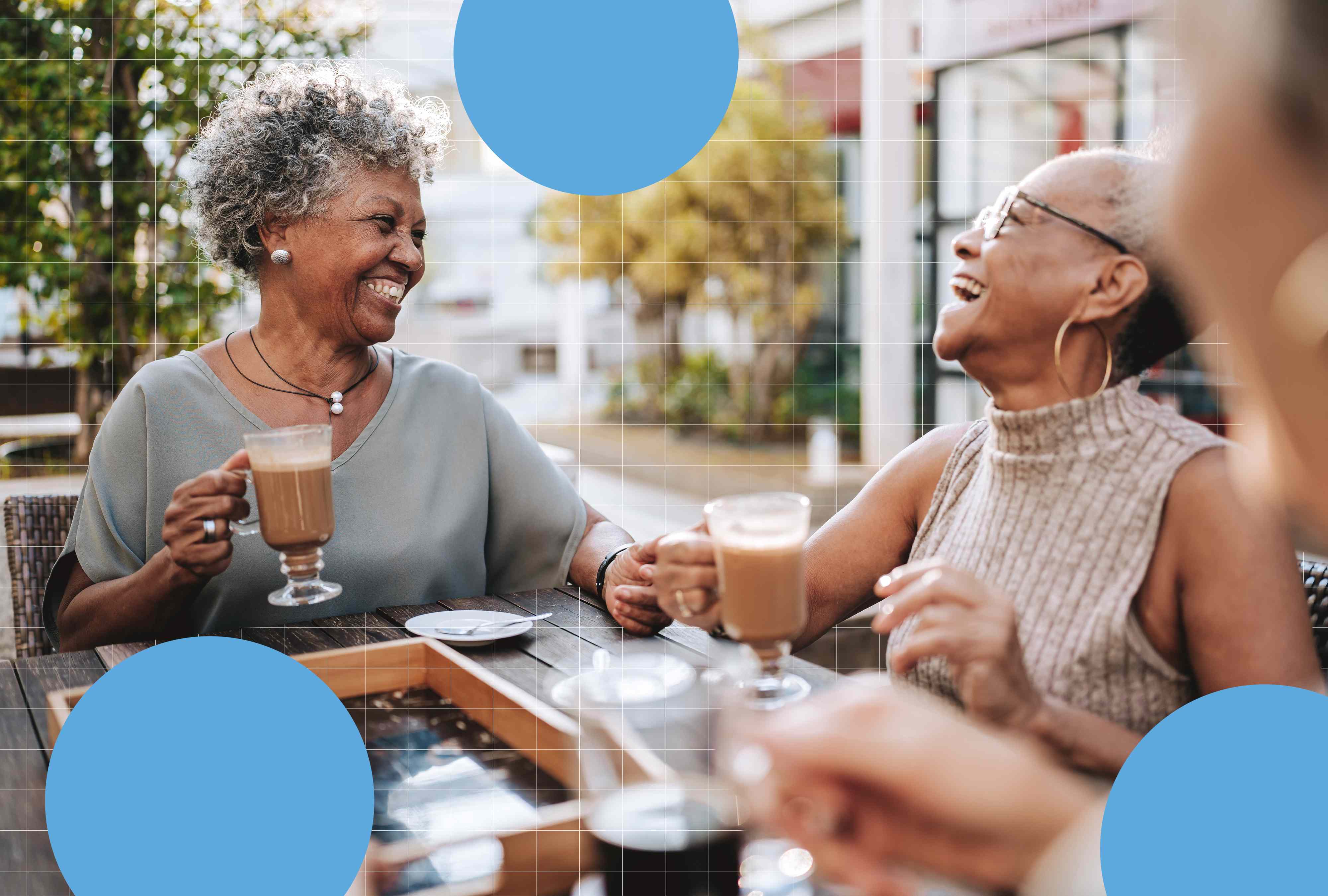
Experts included in the survey overwhelmingly agreed that social isolation—or a lack of consistent, meaningful community or social engagement—was the most underrated potential accelerator of biological aging.
“Social isolation erodes a sense of purpose and fulfillment, disturbs mental health, compounds stress, sabotages sleep and so on. All of the domains of lifestyle affect each other,” says David Katz, M.D., M.P.H., a participant in the survey. “The cumulate effect is often subtle and insidious, while potentially quite toxic.”
And research supports this connection. Socially and intellectually stimulating activities have been linked to improved cognitive function in older adults. Social isolation and loneliness have also each been associated with a lower likelihood of healthy aging, which highlights the importance of maintaining meaningful social connections as we get older.
Circadian Disruption
Circadian disruption refers to disruptions in the body’s natural sleep-wake cycle. While quality sleep has become a major focus of the longevity conversation, circadian disruption itself is less often talked about.
As we age, the body’s production of melatonin can change, which may make it more difficult to maintain consistent sleep patterns. Research suggests that circadian disruption may be a hallmark of aging, and addressing disruptions to our sleep-wake cycle may support healthier aging.
Strategies like exercising regularly, avoiding meals too close to bedtime and taking medication when recommended by a health care provider may help support a healthy circadian rhythm.
Chronic Stress
It’s almost impossible to completely avoid stress, and the small stresses of everyday life that seem minor on their own can build up over time, which contributes to low-grade, unmanaged psychological stress. Research suggests that chronic stress over time may contribute to biological aging, as prolonged stress can damage cells and contribute to chronic inflammation in the body.
Identifying small, recurring stressors throughout your day and looking for small ways to reduce them may help reduce micro-stressors over time.
Environmental Toxins
You’ve probably heard about microplastics and endocrine-disrupting chemicals, but these everyday environmental exposures may be another overlooked factor when it comes to healthy aging. These exposures can be difficult to avoid completely, but there are some ways to reduce your exposure, like avoiding heating food in plastic containers when possible, choosing glass or stainless steel containers for food storage and limiting the use of products with known endocrine-disrupting chemicals.
Research suggests that some environmental chemicals may interact with biological pathways involved in aging, including oxidative stress, mitochondrial dysfunction and chronic inflammation. And because exposure can occur over many years, understanding how cumulative environmental exposure may affect health as we age remains an important area of research.
Other Factors That Influence Aging
While the four healthy aging “blind spots” were a primary focus of the survey, experts also weighed in on a few other interesting considerations. For example, dietary supplements didn’t make the experts’ top three habits for healthy aging—those were physical activity, diet and sleep—but 35% of experts did suggest a multivitamin, while 22% recommended vitamin D. We recommend talking with a health care provider before adding a supplement to your routine.
When asked about the most overlooked factors specifically affecting women’s healthy aging, experts pointed to loss of bone density and skeletal muscle during perimenopause and menopause, delayed recognition and treatment of heart disease and suboptimal management of menopausal hormone therapy.
Because these concerns can have significant implications for health as women age, experts recommend having proactive conversations with a healthcare professional during midlife. These conversations can help women stay on top of factors such as bone density, muscle strength, blood pressure and menopause symptoms, rather than waiting until a problem arises.
How to Support Healthy Aging
Ultimately, experts agreed that the basics often beat the biohacks when it comes to healthy aging. Here are some longevity-supportive strategies they recommend:
- Engage in different types of physical activity. Exercise is important, and experts recommend engaging in both cardiovascular activity as well as strength training every week.
- Build a balanced diet. Experts agreed that an anti-inflammatory diet packed with important nutrients, such as the Mediterranean diet, may help support healthy aging.
- Protect sleep. Restorative, high-quality sleep is an important consideration for healthy aging. Aim to get seven to nine hours each night.
- Prioritize relationships and social engagement. Maintaining meaningful social connections as we get older can help slow biological aging and preserve cognitive function.
- Keep up with preventive care. Work with your health care provider to manage health markers relevant to aging.
Our Expert Take
When it comes to healthy aging, experts agree that the basics often beat the biohacks. And if you’re looking to support your longevity beyond regular physical activity, a balanced diet and high-quality sleep, don’t overlook the less obvious factors that can influence how you age, including social isolation, circadian disruption, chronic micro-stress and everyday environmental exposures.
Read the original article on EatingWell
2026-09-04T04:13:39Z